
Designing a Branded Office: A Step-by-Step Planning Guide
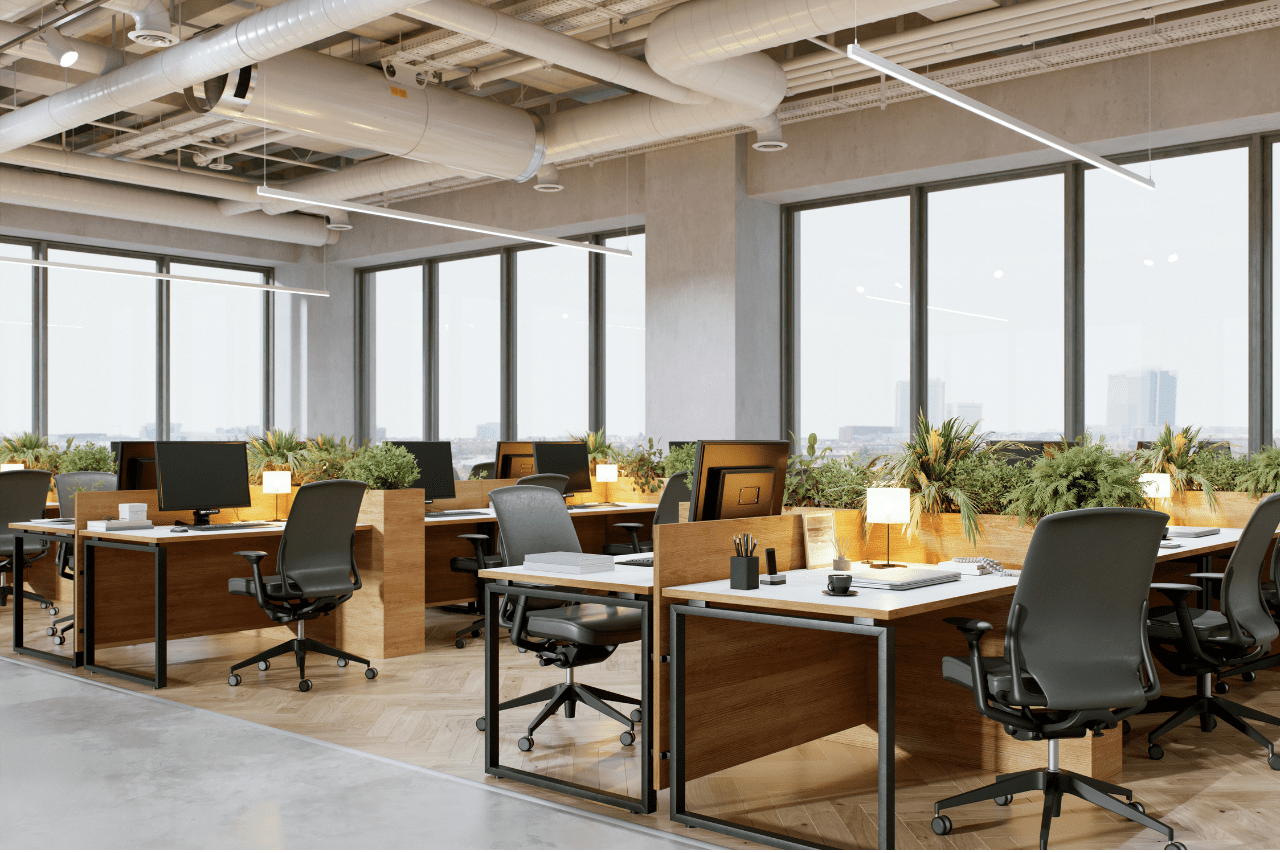
Today’s offices are extensions of a company’s identity, culture, and values. When visitors or employees walk into a thoughtfully designed office, they should immediately feel the organization’s personality and mission.
This is the idea behind branded environments—spaces intentionally designed to reflect a company’s brand through architecture, graphics, signage, materials, and layout. These environments transform a physical office into an experience that communicates who the company is and what it stands for.
The Role of Branded Environments in the Workplace
Branded environments translate a company’s brand identity into a physical space that people can see, feel, and interact with. This includes visual elements like logos and colors, but also deeper components such as materials, lighting, messaging, and spatial layout.
A well-designed branded office offers several benefits. It reinforces brand recognition by surrounding visitors with visual cues that communicate the organization’s values and personality. It also improves the experience for employees and guests by guiding movement through the space and creating a cohesive, welcoming atmosphere.
Step 1: Define Your Brand Story and Workplace Goals
Every successful branded office begins with a clear understanding of the brand itself. Organizations should start by identifying the key elements that define their identity. This might include their mission, core values, tone of voice, and visual brand guidelines.
These insights shape the narrative that the office environment will communicate. For example, a technology company may prioritize innovation and creativity, while a financial firm may want to convey stability and trust.
Step 2: Evaluate the Space and User Experience
The next step is to analyze the physical space and how people move through it. This process involves studying entry points, common areas, workspaces, meeting rooms, and circulation paths.
Effective branded environments consider both aesthetics and functionality. Designers often look at how visitors arrive, where they check in, and how they navigate through the building. Wayfinding systems, environmental graphics, and spatial cues can help people move confidently through the office while reinforcing the brand identity.
At this stage, companies should also consider the needs of employees. Collaborative zones, quiet work areas, and social spaces all contribute to workplace culture and productivity. When the environment reflects how people actually use the space, the result feels authentic and purposeful.
Step 3: Develop a Visual and Environmental Design Strategy
Once the goals and spatial needs are understood, the design strategy begins to take shape. This stage translates brand identity into tangible elements throughout the office.
Visual components such as color palettes, typography, and imagery are often integrated into architectural features, wall graphics, and signage. Lighting, materials, and furniture choices can further reinforce the brand personality.
Environmental graphic design often plays a key role during this phase. This discipline combines graphic design, architecture, and interior design to create meaningful connections between people and spaces.
Step 4: Integrate Wayfinding and Communication Elements
A branded office must also function smoothly for employees and visitors. Wayfinding systems help guide people through complex spaces using signs, visual cues, and directional graphics.
Beyond navigation, communication elements such as wall messaging, digital displays, and informational signage can reinforce company culture and storytelling. These features allow organizations to share milestones, values, or achievements directly within the environment.
By integrating these components into the overall design strategy, companies ensure the office is both intuitive and engaging. Visitors can easily find their way while simultaneously experiencing the brand’s narrative.
Step 5: Plan Fabrication, Installation, and Project Coordination
Designing a branded office is only part of the process. Turning the vision into reality requires careful coordination between designers, fabricators, contractors, and project managers.
Materials must be selected for durability, sustainability, and long-term maintenance. Signage systems and graphics must be produced with precision so that colors, finishes, and typography align with brand guidelines.
Installation planning is also essential. Elements should be installed in phases to minimize disruptions to daily operations. Coordination with building management and construction teams helps ensure that the final environment meets both design expectations and regulatory requirements.
Step 6: Evaluate and Adapt Over Time
Companies should periodically evaluate whether the space still reflects their brand and supports employee needs. New departments, technology upgrades, or shifts in company culture may require adjustments to signage, graphics, or layout.
Modular design systems can make these updates easier by allowing elements to be replaced or expanded without major renovations. This approach ensures the office remains relevant and aligned with the organization’s identity over time.
Bringing Branded Office Design to Life with Identity Group
Identity Group specializes in helping organizations transform workplaces into immersive brand experiences. With decades of expertise in environmental design, visual décor, ADA signage, and digital wayfinding, our team works with companies across industries to bring brand stories into physical spaces.
To learn how we can help create a workplace that truly reflects your brand, consider reaching out to us at Identity Group to explore your project and begin designing.