
Complete Guide to Wayfinding Design and Signage in 2026
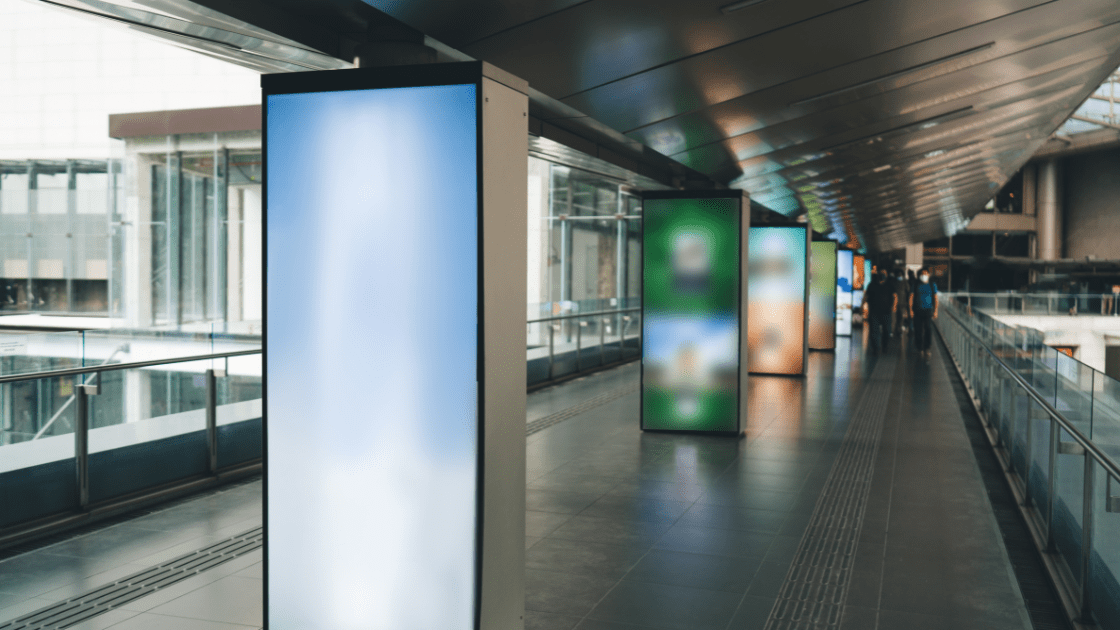
Navigating large buildings, campuses, or public spaces can be frustrating if signage and systems don’t keep pace with user expectations. In 2026, the focus is increasingly on seamless experiences, user-centric design, and leveraging technology to guide people effortlessly.
Keep reading to learn more about the essential elements of wayfinding design, signage best practices, and how to integrate digital wayfinding.
What is Wayfinding Design?
Wayfinding design is the process of planning and implementing systems that help people understand their environment and find their way from point A to point B. It includes everything from the physical signs on walls or ceilings to maps, color-coding, lighting, and digital tools that provide dynamic routing and feedback.
Well-designed signage and wayfinding systems reduce user stress, support brand identity, and make spaces more accessible and welcoming.
Why Wayfinding Matters in 2026
- User experience is higher: People expect apps, real-time updates, and touch-enabled or mobile signage experiences, not just static arrows.
- Complex spaces abound: Hospitals, universities, large corporate campuses, airports, and retail complexes demand layered systems.
- Branding and experience converge: Wayfinding is no longer just navigation, but part of the brand experience. The signage you choose sends a message.
- Accessibility and inclusivity: Design must meet ADA and related standards, and include digital assistive options.
Key Principles of Signage and Wayfinding Design
- Clarity and legibility: Your signs should be readable at a glance, use high-contrast, appropriate sizes, clear typefaces, and good lighting.
- Consistency: Use a consistent typography, color palette, iconography, layout, and terminology across the site so users don’t get confused mid-journey.
- Location and placement: Signs must be where people expect them, like decision points, intersections, entrances, and exits. The height and angle matter.
- Wayfinding hierarchy: Break the signage into Identification, Direction, Informational, and Regulator. Digital wayfinding systems weave these together.
- Brand integration: Your signage should reflect your visual identity. It should look like part of your ecosystem, not an afterthought.
- Maintenance and evolution: Signage and systems need to be maintained and updated, especially when layouts change or digital integrations evolve.
Trends to Watch in 2026
- AR (Augmented Reality) Wayfinding: Using phones or tablets to overlay routes in real time.
- Touchless interfaces: Especially important in high-traffic or hygienic environments.
- AI-driven personalization: Digital wayfinding systems that adjust content or routes based on user profile or time of day.
- Sustainability: Energy-efficient digital displays and environmentally thoughtful signage materials.
- Integration with building systems: Facility management, occupancy data, IoT sensors feeding into wayfinding logic.
Choose Identity Group for Digital Wayfinding
With more than six decades experience in signage and environmental graphics, Identity Group offers comprehensive solutions that span physical signage, branded environments, and cutting-edge digital wayfinding services.
Our digital wayfinding and augmented reality services provide fully interactive navigation solutions, all tailored to your brand and user journey.
If you are ready to elevate your environment in 2026 and make navigation intuitive, reach out to us at Identity Group for a consultation and quote.