
ADA-Friendly Wayfinding: What Digital Systems Should Include
ers to the use of digital tools — such as interactive kiosks, mobile apps, directional displays, and augmented reality overlays — to guide people through complex environments. Unlike static signage, digital systems can offer real-time guidance, personalized routes, and contextual information that adapts to user needs and preferences.
While traditional wayfinding systems rely heavily on printed or tactile signs, digital wayfinding expands these capabilities by integrating software, location data, and dynamic interfaces to provide more intuitive navigation. Successful digital wayfinding helps users orient themselves, make informed route decisions, and reach their destination with minimal frustration.
Why ADA Compliance Matters in Wayfinding
The Americans with Disabilities Act (ADA) sets clear standards for accessibility in public and commercial spaces. These standards include requirements for signage but also more broadly encompass accessible communication and navigation systems.
Wayfinding solutions must be perceivable, operable, and understandable for people with a wide range of physical, sensory, and cognitive abilities. This means providing access not only through visual cues but also through auditory, tactile, and adaptable digital formats. Effective ADA-friendly wayfinding ensures that:
- Individuals with visual impairments can perceive navigation information.
- Users with hearing challenges receive clear alternatives to audio instructions.
- People with mobility limitations can follow accessible routes without barriers.
Adhering to these requirements is about creating environments where everyone feels confident and empowered to navigate independently.
Core Features of ADA-Friendly Digital Wayfinding
Creating an inclusive digital wayfinding system means integrating features that meet ADA standards and support diverse user needs. Below are key components every system should include:
1. Multimodal Interaction Options
An ADA-friendly digital wayfinding system must provide multiple ways for users to interact with the navigation interface:
- Touchscreen and tactile controls: Physical buttons or haptic feedback can assist users who cannot easily use traditional touchscreens.
- Voice input and output: Spoken commands and auditory feedback help users with visual impairments or limited dexterity.
- Keyboard navigation: For kiosks or desktop interfaces, full keyboard support ensures accessibility for users unable to use touch interfaces.
By offering diverse interaction methods, systems become easier to use for a broader audience.
2. Clear Visual and Auditory Feedback
Digital wayfinding should be high-contrast, easy to read, and free of clutter. ADA signage standards already emphasize color contrast, font size, and readability for physical signs — and these principles carry over to digital displays as well. Important considerations include:
- High-contrast text and icons for users with low vision.
- Adjustable font sizes to accommodate differing visual needs.
- Clear auditory feedback (including volume control) for users who rely on spoken navigation cues.
Combining visual and auditory feedback ensures that users receive information in multiple formats simultaneously.
3. Personalized Accessibility Settings
Not all users navigate spaces in the same way. An ADA-friendly digital wayfinding solution should allow users to customize their experience based on their needs. Features to consider include:
- Routes optimized for mobility devices (e.g., wheelchairs, scooters) that avoid stairs and steep inclines.
- Text-to-speech and speech-to-text options for users with visual or hearing impairments.
- Color blindness adjustments that modify display schemes for better contrast.
These personalization settings help individuals interact with the system in the way that works best for them.
4. Integration With Physical Accessibility Features
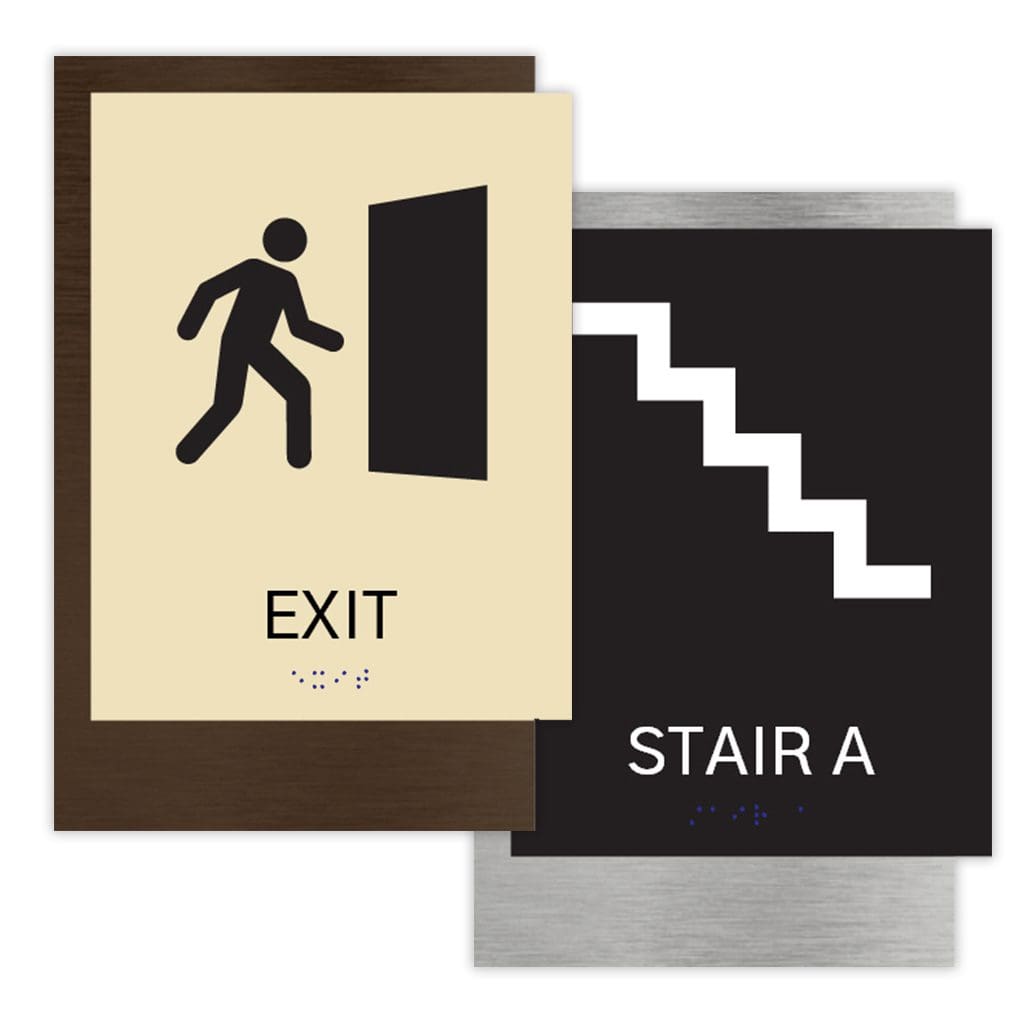
Digital wayfinding systems should not operate in isolation — they must reflect the physical environment accurately and reinforce ADA compliance throughout the space. This includes coordinating with tactile maps, Braille signage, and physical cues such as handrails and ramps.
For example, when a digital map displays a route, it should highlight wheelchair-accessible paths and provide alternatives if certain areas are blocked or under construction.
5. Real-Time Updates and Error Prevention
An ADA-friendly system should offer real-time updates to help users make informed decisions. Whether it’s an elevator outage, crowded corridor, or temporary construction, up-to-date information can prevent confusion and support safe navigation.
Additionally, clear error messages and prompts help users avoid dead ends and reduce frustration.
Best Practices for Implementation
To make digital wayfinding truly effective and ADA-friendly, consider the following implementation best practices:
Start With User Research
Understand the needs of your primary user groups, including people with disabilities. Engage accessibility specialists or conduct interviews and usability tests to identify potential barriers early in the design process.
Follow ADA Guidelines and Beyond
While ADA standards provide a baseline, many organizations go beyond compliance to deliver superior user experiences. Consult accessibility guidelines from trusted organizations and incorporate universal design principles.
Test With Real Users
Before rolling out your system, conduct on-site testing with a diverse group of users. Real-world use cases can reveal issues that designers might overlook in lab settings.
Train Staff to Support Users
Even the best digital wayfinding systems benefit from human support. Train your staff to assist users who may need help navigating the system or interpreting directions.
Partnering With Experts: Identity Group’s Approach to Wayfinding
With decades of experience in signage, environmental graphics, and navigation systems, Identity Group offers comprehensive wayfinding services, including advanced digital wayfinding and augmented reality solutions that enhance both accessibility and user experience.
If you’re ready to elevate your wayfinding experience and ensure your space is truly accessible to everyone, contact us at Identity Group today.