
Signage Solutions for Environmental Graphic Design
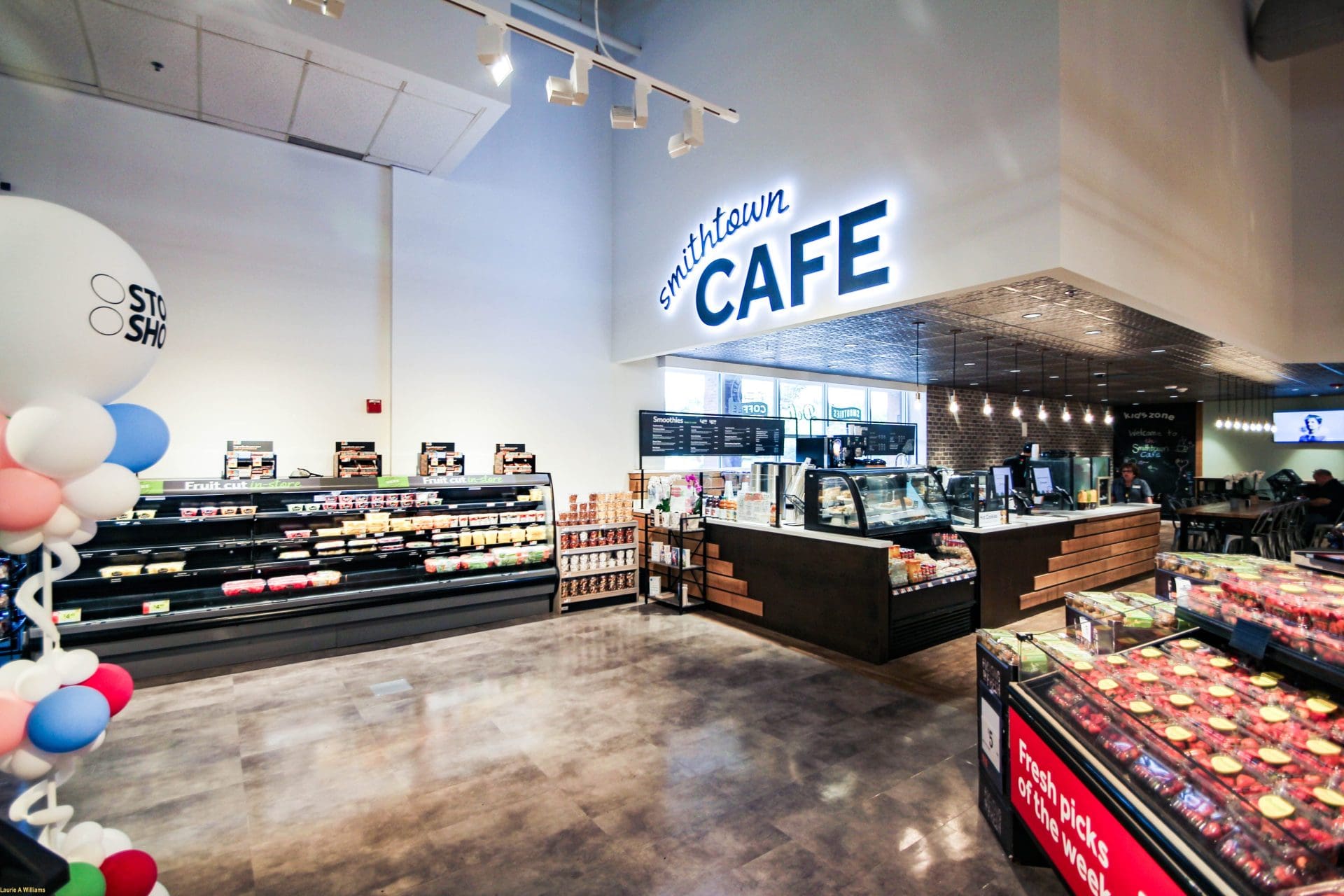
In today’s architectural and retail spaces, signage is far more than direction-finding. It’s an integral part of environmental design. Whether you are designing an office lobby, healthcare facility, retail store, or community space, the way you communicate through signage influences way-finding, brand identity, user experience, and even the tone of the environment.
How Signage Supports Environmental Graphic Design
When thinking about environmental design, signage is part of the space, rhythm, and user journey. Good signage:
- Enhances clarity and movement
- Reinforces brand identity and emotional tone
- Integrates with architecture and interior design rather than competing with them
- Adapts to user needs: accessibility, digital vs. analog, multi-sensory
Best Practices in Signage
Early Engagement in Design Process
Signage should be considered early, ideally during architectural or interior design phases. This allows for consistent material selections, colors, lighting, and positioning that align with the space.
Consistency and Brand Cohesion
Brand identity should extend into signage systems. When signage aligns visually and conceptually with the brand, the environmental design feels seamless rather than patched on.
Way-Finding Logic and Clarity
Signage must communicate clearly through intuitive icons, readable typography, logical hierarchy, and considering sightlines and movement flows. This is especially vital in large public spaces where users may feel lost.
Accessibility and Inclusivity
In environmental design, signage must meet ADA and regulatory standards, but must also consider universal design: clear contrasts, tactile elements, braille where required, and user-friendly placement height. Integrating these needs early supports compliance and experience.
Material and Finish Integration
Signage materials should complement the architecture and interiors. Metal, acrylic, wood-grain, backlighting, or digital displays all send clues about brand and environment. The right selection helps the signage disappear into the environment in a positive way, rather than stick out awkwardly.
Technology and Interactivity
Environmental graphic design is evolving: way-finding signage now often includes digital elements or augmented reality overlays. Interactive kiosks, digital directory boards, or AR wayfinding help merge physical with dynamic user interaction.
Creative Signage Solutions in Branded Environments
For environments where brand experience matters, signage becomes a storytelling tool:
Branded Environment Signage
Here, signage supports immersive brand worlds. The lobby might feature large-scale graphic panels, suspended sculptural signage, or dynamic digital walls that reinforce brand mission and culture.
3D Signage and Sculptural Elements
Using dimensional letters, illuminated signage, or sculptural signage components can create focal points in a space, tying signage to architecture and environmental design.
Digital Way-Finding and Augmented Reality (AR)
With technology, signage in environmental design becomes flexible. AR way-finding apps overlaid on a tablet or phone allows users to navigate a large campus, while digital signage can update in real time.
Environmental Storytelling Through Signage
Signage can tell the story of the place. For example, photographic wall panels, directional signage with narrative captions, or material finishes that reference brand history.
Partner with Identity Group for Environmental Design
If you’re looking to bring your signage to life, our team at Identity Group can help. We are an interior solutions provider, offering survey, design, planning, fabrication, and installation.
Ready to elevate your space with signage solutions tied to your environmental design? Contact us at Identity Group today for a quote or consultation.