
What is Environmental Graphic Design?
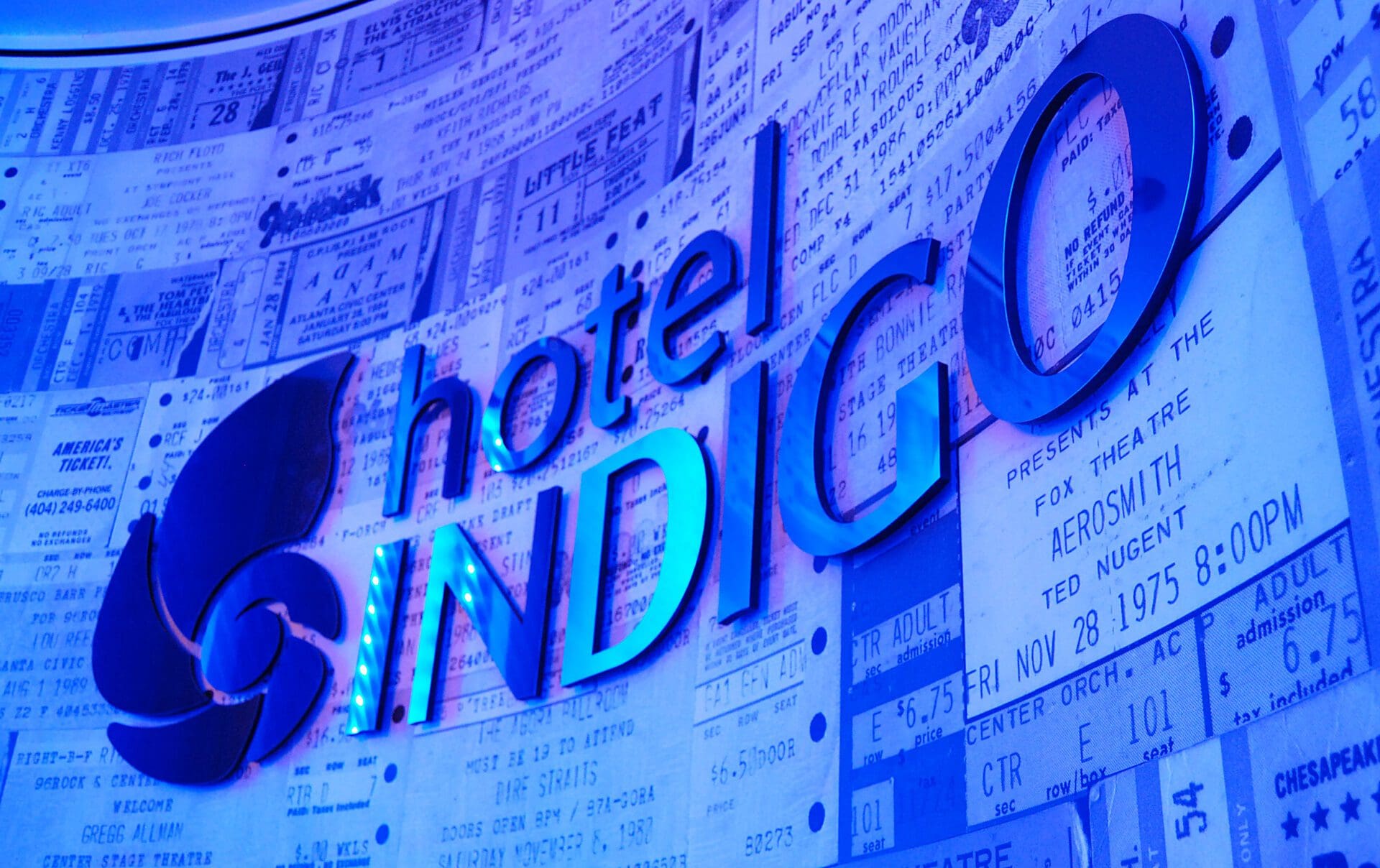
When you walk into a hospital, office, or stadium, you may not think much about the signs, wall graphics, or wayfinding cues guiding your experience. Yet, these details are carefully planned through a discipline called environmental design. Also known as Environmental Graphic Design (EGD), this practice blends architecture, interior design, graphic design, and branding to create meaningful connections between people and the spaces they inhabit.
In short, environmental graphic design transforms physical environments into immersive experiences. It’s not just about decoration; it’s about storytelling, communication, and navigation.
The Core Elements of Environmental Design
Environmental graphic design often incorporates several disciplines.It’s not just about putting up signs or adding a logo to a wall, it’s about creating environments that guide, inform, inspire, and connect. The main elements that bring this field to life include wayfinding systems, branded environments, experiential installations, and architectural graphics. Together, they shape how people interact with a space and how that space tells its story.
Wayfinding Systems
Wayfinding systems are one of the most practical yet essential components. These include signs, maps, and visual cues that help people move through complex spaces with ease. From airports to hospitals, effective wayfinding reduces confusion and stress by making navigation intuitive. When designed well, the signage is consistent in style, legible from a distance, and strategically placed at decision points so visitors never feel lost.
Digital wayfinding tools like interactive kiosks and mobile apps are being layered in, offering flexibility and updates in real time. Good wayfinding goes beyond functionality, reflecting a brand’s personality and contributing to the overall aesthetic of the environment.
Branded Environments
Instead of being limited to logos or corporate colors, branded environments immerse visitors in the story of the brand. Large wall graphics, custom murals, textured finishes, and even subtle design motifs work together to create a space that feels unique to the organization. The goal is to make the brand tangible and memorable so that anyone who enters the environment has an immediate sense of what the company stands for. This approach helps connect people emotionally to the space while ensuring consistency between physical environments and the broader brand identity.
Experiential Installations
Experiential installations add another layer by inviting interaction and engagement. They encourage participation and create memorable moments using interactive displays, projection mapping, sensor-driven walls, and immersive lighting. Unlike static graphics, experiential elements change with the presence or behavior of people, making each visit dynamic and personal. They are often the most talked-about features of a project, leaving visitors with an experience they are eager to share and remember long after they leave.
Architectural Graphics
Architectural graphics integrate design directly into the structure of a building. Instead of simply being applied to a surface, these graphics are embedded into the architecture itself. Glass walls may be etched with patterns, facades can incorporate branded motifs, and structural elements like staircases or columns might become storytelling devices. This approach creates harmony between the built environment and the graphic elements, resulting in spaces that feel intentional and cohesive. Architectural graphics also tend to be more permanent and durable, designed to withstand time while maintaining their impact.
When these elements work together, they create a unified experience that feels both functional and inspiring. Wayfinding ensures people can move confidently, branded environments express identity, experiential installations capture attention and emotion, and architectural graphics tie everything seamlessly into the structure. The result is not a patchwork of design features, but instead an environment that tells a story, supports its users, and leaves a lasting impression.
Why Environmental Design Matters
A well-crafted environment does more than guide. It inspires. Studies show that people respond positively to well-branded spaces, whether in retail stores, airports, or healthcare settings. For businesses, environmental design isn’t just about aesthetics; it’s about creating trust, comfort, and clarity.
Think of environmental design as a silent communicator telling visitors what to expect from your brand before they ever interact with staff. The right colors, typography, and signage can make a space feel sophisticated, approachable, or energizing depending on the experience you want to create. A thoughtfully designed environment can reduce anxiety, spark excitement, or establish a sense of belonging.
For example, imagine walking into a hospital with clear, modern signage. Instantly, the space feels more organized and welcoming. Patients and visitors know exactly where to go, which reduces stress and increases confidence. Similarly, a well-branded retail store not only guides shoppers but also reinforces why they chose that brand in the first place. This is the power of environmental design.
Applications of Environmental Design Across Industries
Environmental graphic design is everywhere, though you may not realize it. Some of the most common settings include:
- Corporate Offices: Reinforcing company culture and values through branded spaces, mission-driven wall graphics, and creative wayfinding.
- Retail Stores: Guiding shoppers to featured products, creating immersive brand experiences, and boosting sales through visual storytelling.
- Sports Arenas: Engaging fans with bold graphics, directional signage, and interactive installations that capture team spirit.
- Healthcare Facilities: Reducing stress and improving patient satisfaction with intuitive wayfinding systems and calming environmental graphics.
- Airports and Transit Hubs: Providing clarity in high-traffic environments with wayfinding signage, interactive kiosks, and universally recognized icons.
Each application requires a unique approach, but the goal is always the same—connect people to places. Whether it’s helping an employee feel inspired at work, a traveler navigate an unfamiliar airport, or a customer connect more deeply with a brand, environmental design makes these experiences seamless and memorable.
The Future of Environmental Design
With technology advancing rapidly, environmental graphic design is evolving, too. Interactive digital signage, augmented reality experiences, and data-driven wayfinding systems are reshaping how people interact with physical spaces. Instead of static signs, companies are embracing dynamic systems that adjust based on time of day, crowd flow, or even personal preferences.
Sustainability is also at the forefront of environmental design. Organizations are now prioritizing eco-friendly materials, energy-efficient lighting, and modular systems that can be updated without generating excess waste. This shift not only supports global sustainability goals but also resonates with environmentally conscious consumers.
Looking ahead, environmental design will continue to expand as organizations search for innovative ways to engage audiences and stand apart in competitive markets. The fusion of branding, technology, and sustainability ensures that environmental graphic design won’t just be about creating spaces but also about creating experiences that inspire, connect, and endure.
Identity Group: The Experts in Environmental Design
For over 60 years, Identity Group has specialized in bringing brands to life through signage, graphics, and environmental design. From corporate headquarters to stadiums and hospitals, our team creates environments that combine form, function, and storytelling. Our expertise lies in custom solutions tailored to each client’s unique needs, ensuring that every project communicates a clear and lasting message.
Ready to transform your space? Contact us at Identity Group today to see how our expertise in environmental design can elevate your brand experience!